ENDANGERED SPECIES
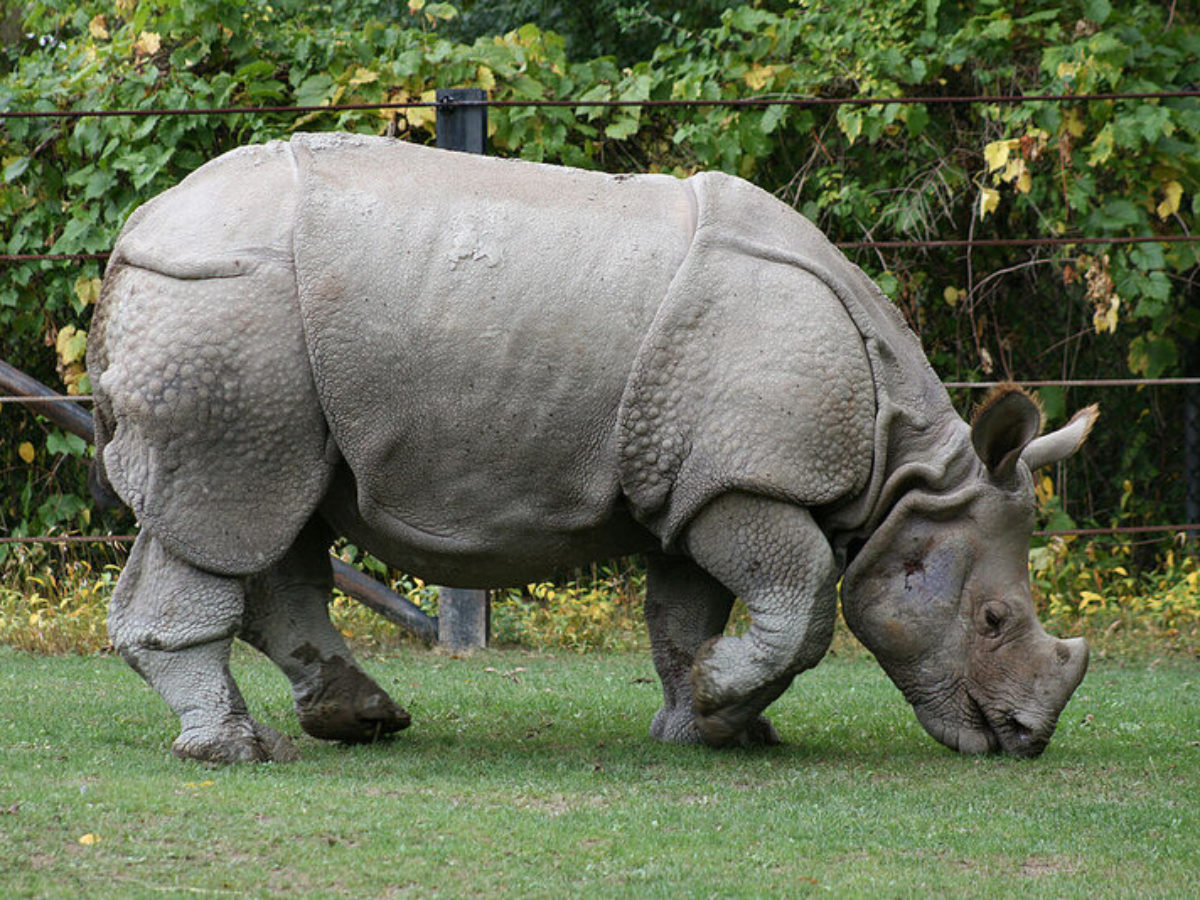
Javan Rhinos
Javan rhinos, once common in Southeast Asia, have drastically declined due to hunting and habitat loss. With only around 75 individuals left, they are confined to Ujung Kulon National Park in Indonesia. Their survival is threatened by habitat degradation, invasive palm species, natural disasters, disease, poaching, and inbreeding.
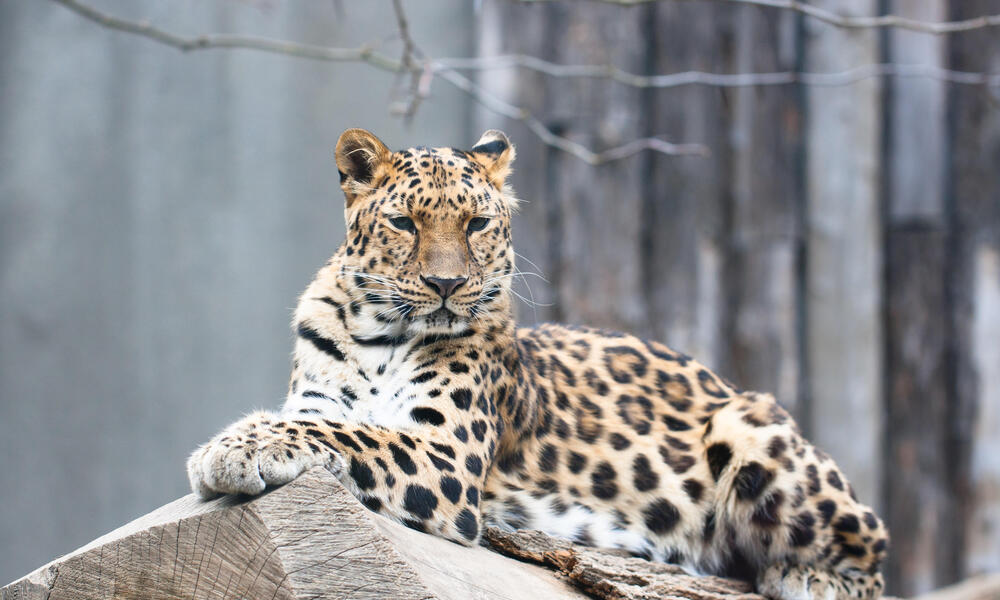
Amur Leopard
The Amur leopard, one of the rarest big cats, has only about 100 individuals left. While their population is stabilizing, they remain critically endangered due to limited range in Russia and China. Threats include habitat loss, prey scarcity, and infrastructure development. However, conservation efforts are helping, with 75% of their habitat in protected areas and expansion into new regions..
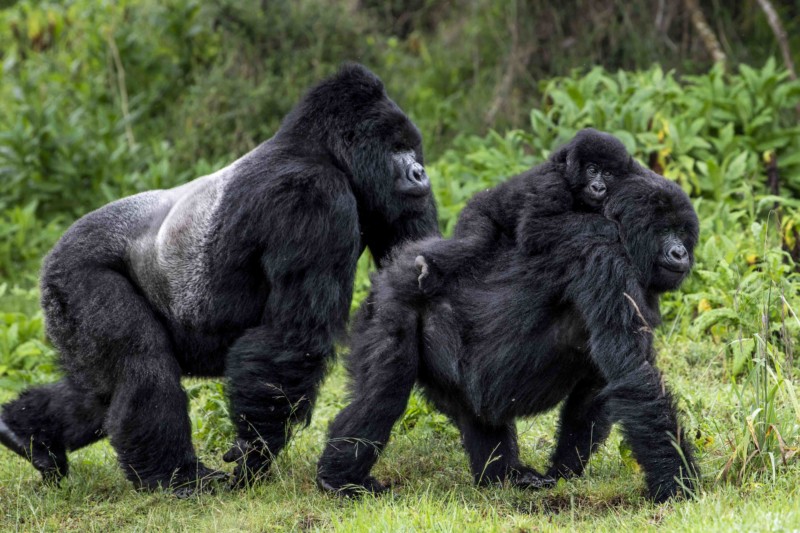
Mountain Gorillas
Mountain gorillas, a subspecies of eastern gorillas, live in high-altitude forests in the DRC, Rwanda, and Uganda. Their habitat is threatened by political instability and human encroachment, with over 500,000 people nearby. Conservation efforts have helped their population grow to over 1,000, but they remain endangered due to ongoing threats..
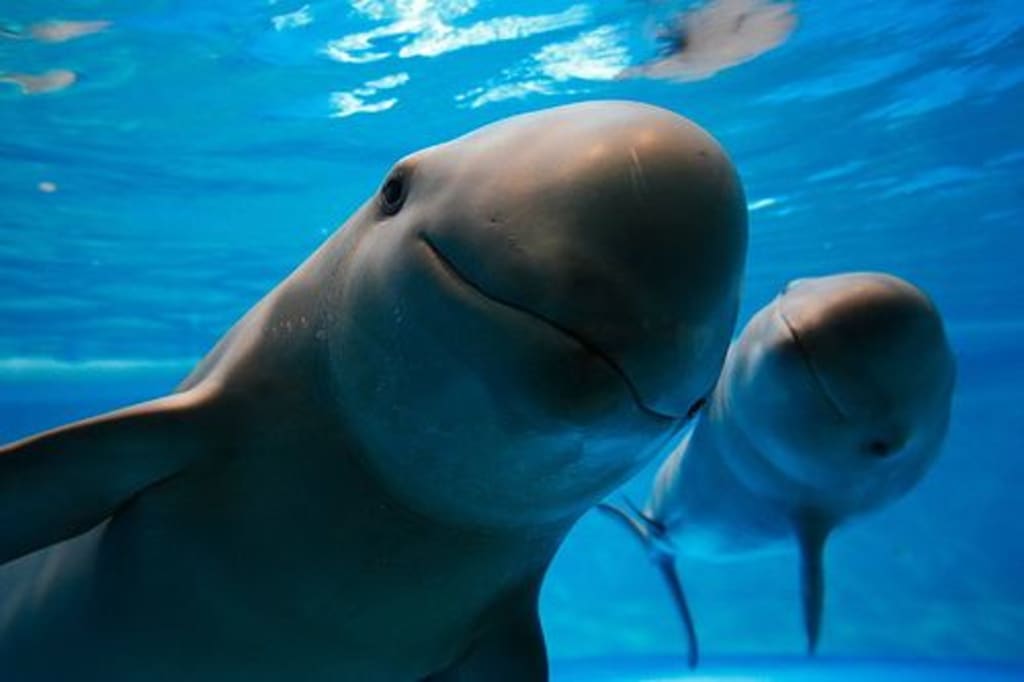
Yangtze Finless Porpoise
The Yangtze finless porpoise, the only living freshwater porpoise, lives in China’s Yangtze River. Critically endangered, it faces threats from environmental degradation, overfishing, and water pollution. Once alongside the now-extinct Yangtze river dolphin, the porpoise symbolizes the fragility of endangered species. China granted it the highest protection in 2021. As of 2018, its population was around 1,000, with signs of stabilization.
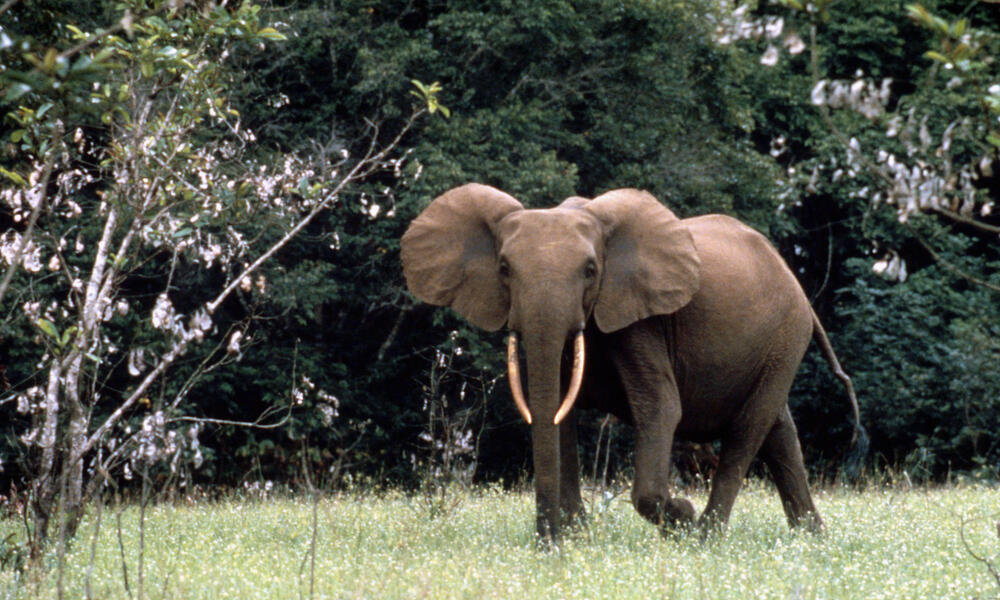
African Forest Elephant
The African forest elephant, one of two African elephant species, lives in the dense forests of West and Central Africa. Critically endangered, their population has declined by 86% over 31 years, with poaching, habitat loss, and human-elephant conflict as main threats. They now occupy only 25% of their historic range, primarily in Gabon and the Republic of Congo, spread across 20 nations.
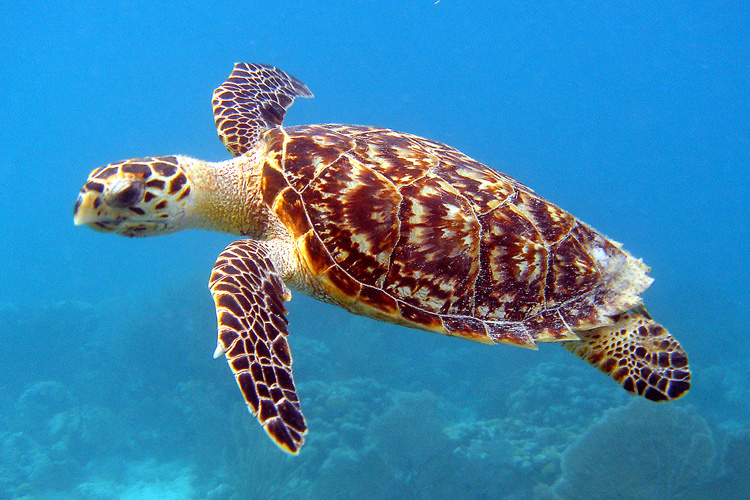
Hawksbill Turtles
The Hawksbill turtle, one of seven marine turtle species, inhabits tropical and subtropical waters of the Atlantic, Indian, and Pacific Oceans. With only 20,000 to 23,000 nesting individuals, their population has declined by at least 80% in the past 30 years due to fishing gear capture, habitat loss, coral reef damage, and illegal trade. Other threats like plastic pollution and climate change also endanger them. They are critically endangered.
- Protecting endangered animals is a shared responsibility.
- Collaborative efforts from individuals, communities, governments, and organizations are essential.
- Key strategies include:
- Habitat conservation.
- Legal protections against poaching and habitat destruction.
- Community engagement and education.
- Sustainable practices in agriculture, forestry, and fishing.
- Scientific research and monitoring.
- Establishing wildlife corridors.
- Captive breeding programs.
- Reducing human impact is crucial for wildlife survival.
- A commitment to biodiversity is vital for the health of ecosystems.
- Ensuring the survival of endangered species benefits future generations and enriches our understanding of wildlife.