TYPES OF FORESTS
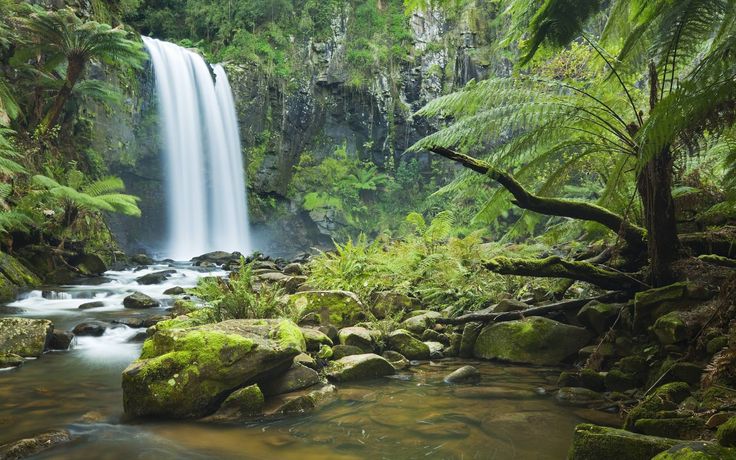
Tropical Rainforest
Found near the equator, these forests have hot and humid conditions with high rainfall.
- Dense, multi-layered vegetation
- High biodiversity (many species of plants and animals)
- Year-round warm temperatures (20–30°C)
- Heavy rainfall (over 2000 mm annually)
- Poor soil nutrients due to rapid decomposition
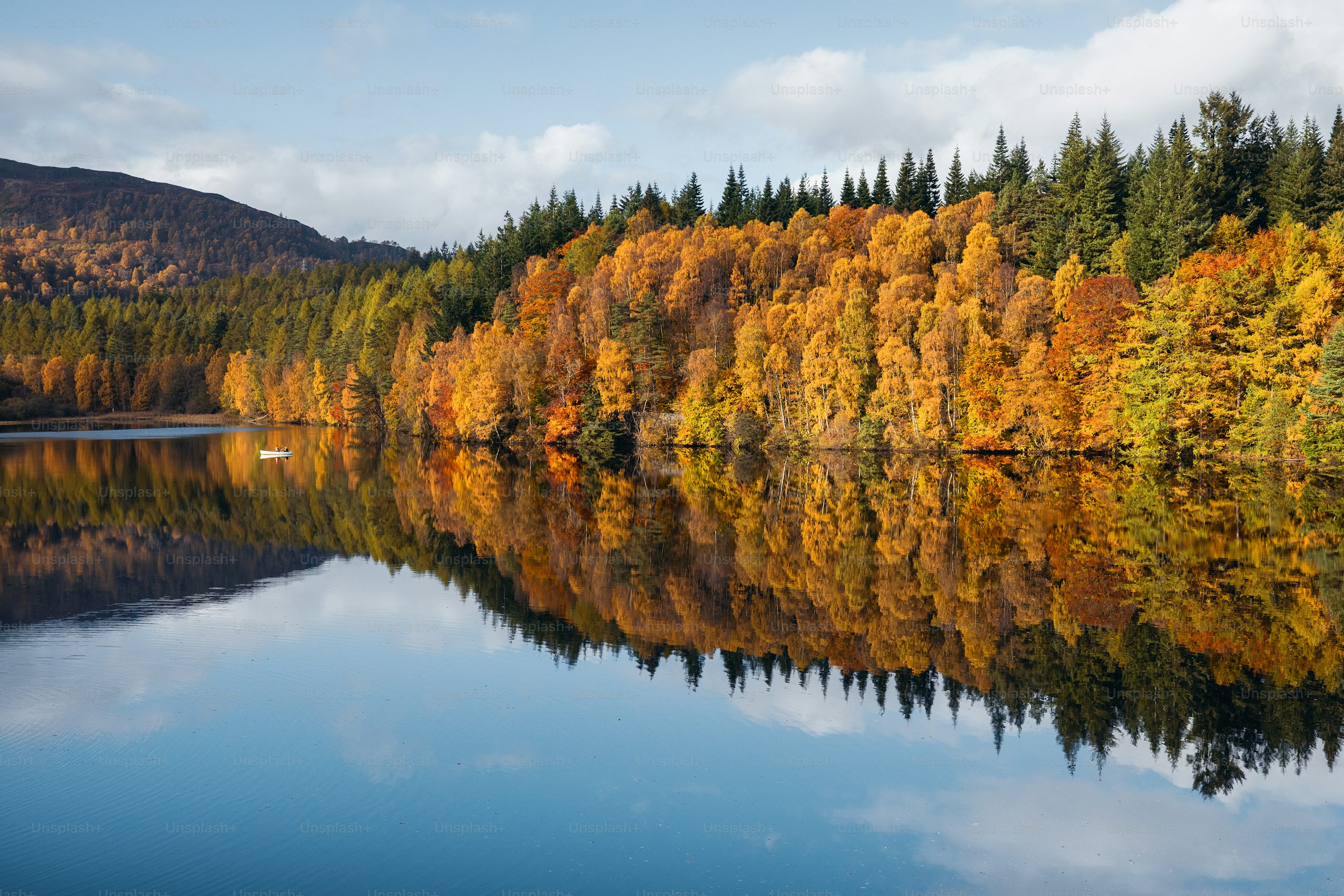
Temperate Deciduous Forest
Found in regions with four distinct seasons, where trees shed leaves in autumn.
- Trees like oak, maple, and birch
- Moderate rainfall (750–1500 mm per year)
- Rich and fertile soil
- Diverse wildlife including deer, bears, and birds
- Cold winters and warm summers
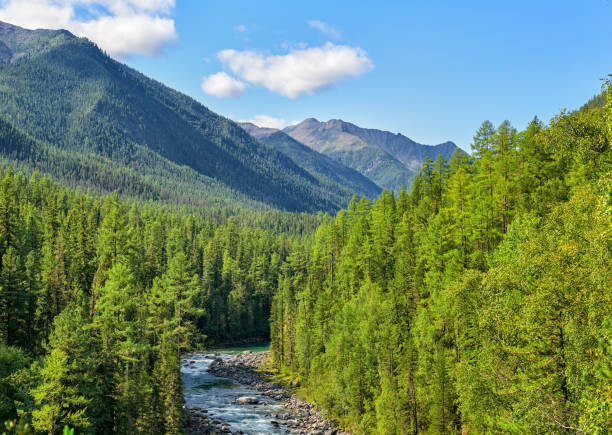
Boreal Forest (Taiga)
Located in the northern hemisphere, mainly in Canada, Russia, and Scandinavia.
- Dominated by coniferous trees (pine, spruce, fir)
- Long, harsh winters and short summers
- Low biodiversity compared to tropical forests
- Poor, acidic soil
- Home to animals like lynx, wolves, and moose
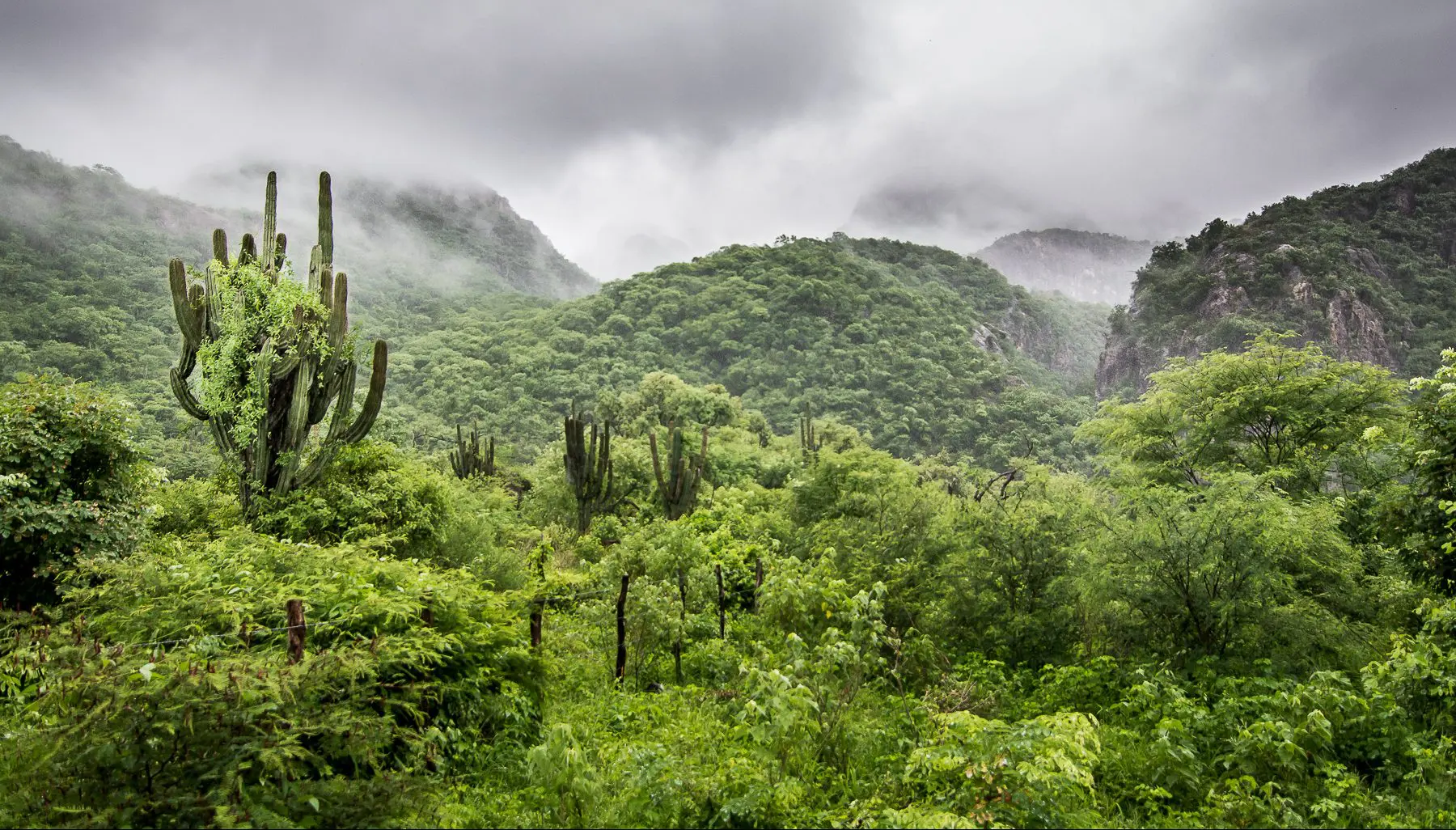
Tropical Dry Forest
Found in warm regions with seasonal rainfall, such as parts of India, Africa, and Mexico.
- Trees shed leaves in the dry season
- Rich biodiversity including tigers, monkeys, and reptiles
- Rainfall varies between 1000–1800 mm annually
- Soil is fertile but prone to erosion
- Alternating wet and dry seasons
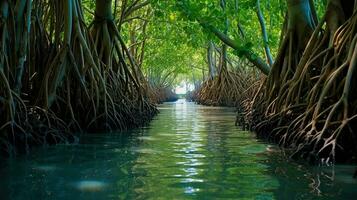
Mangrove Forest
Found in coastal areas where saltwater and freshwater mix.
- Trees have aerial roots (to survive in saline water)
- Protect coastlines from erosion and storms
- Provide breeding grounds for fish and marine life
- Found in tropical and subtropical regions
- Adapted to withstand high salinity
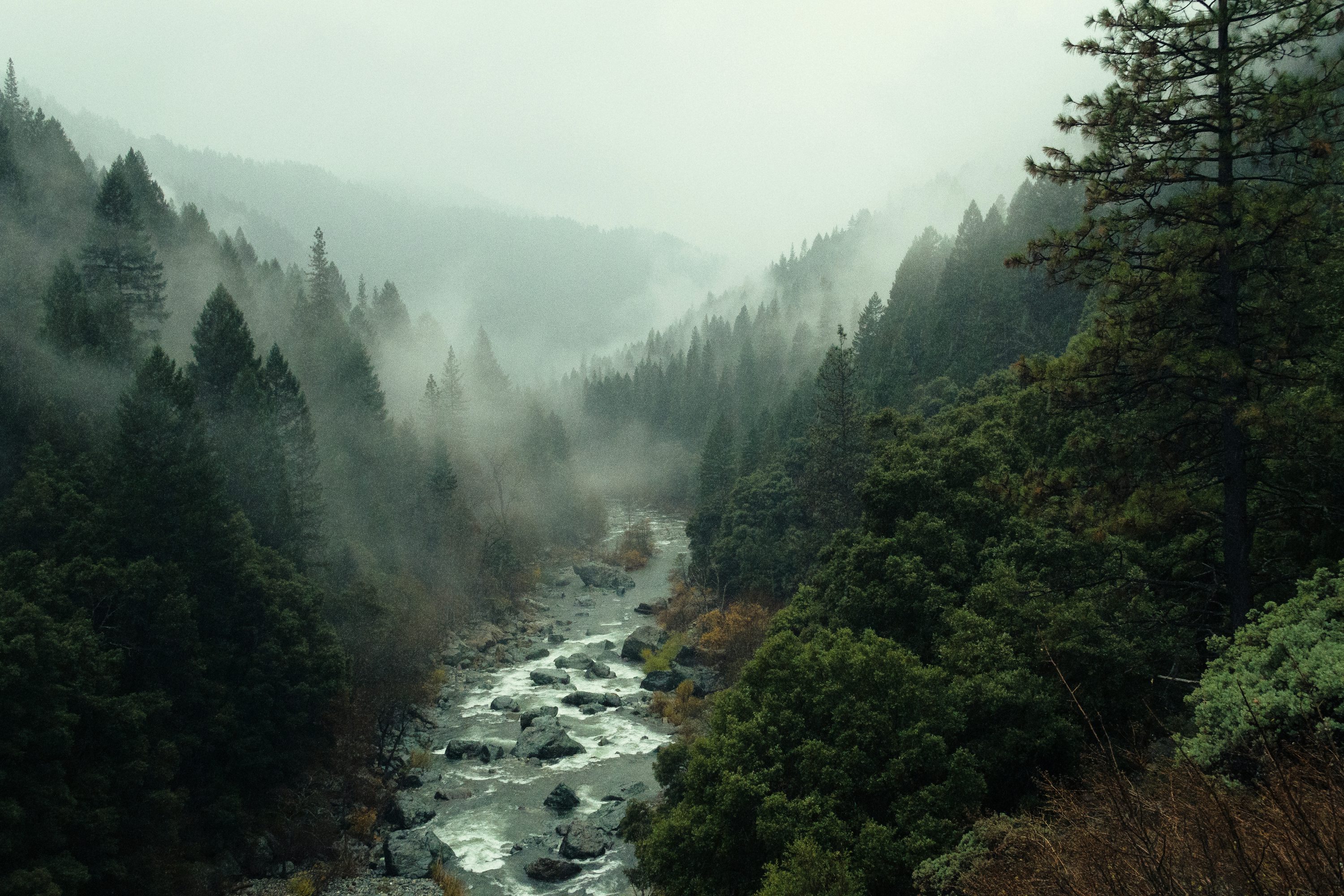
Montane Forest
Found in mountainous regions with high humidity and frequent cloud cover.
- Trees covered in moss and epiphytes
- Cool and humid conditions
- Biodiverse, with rare plants and animals
- Occur at elevations above 1000 meters
- High rainfall (often misty and foggy)
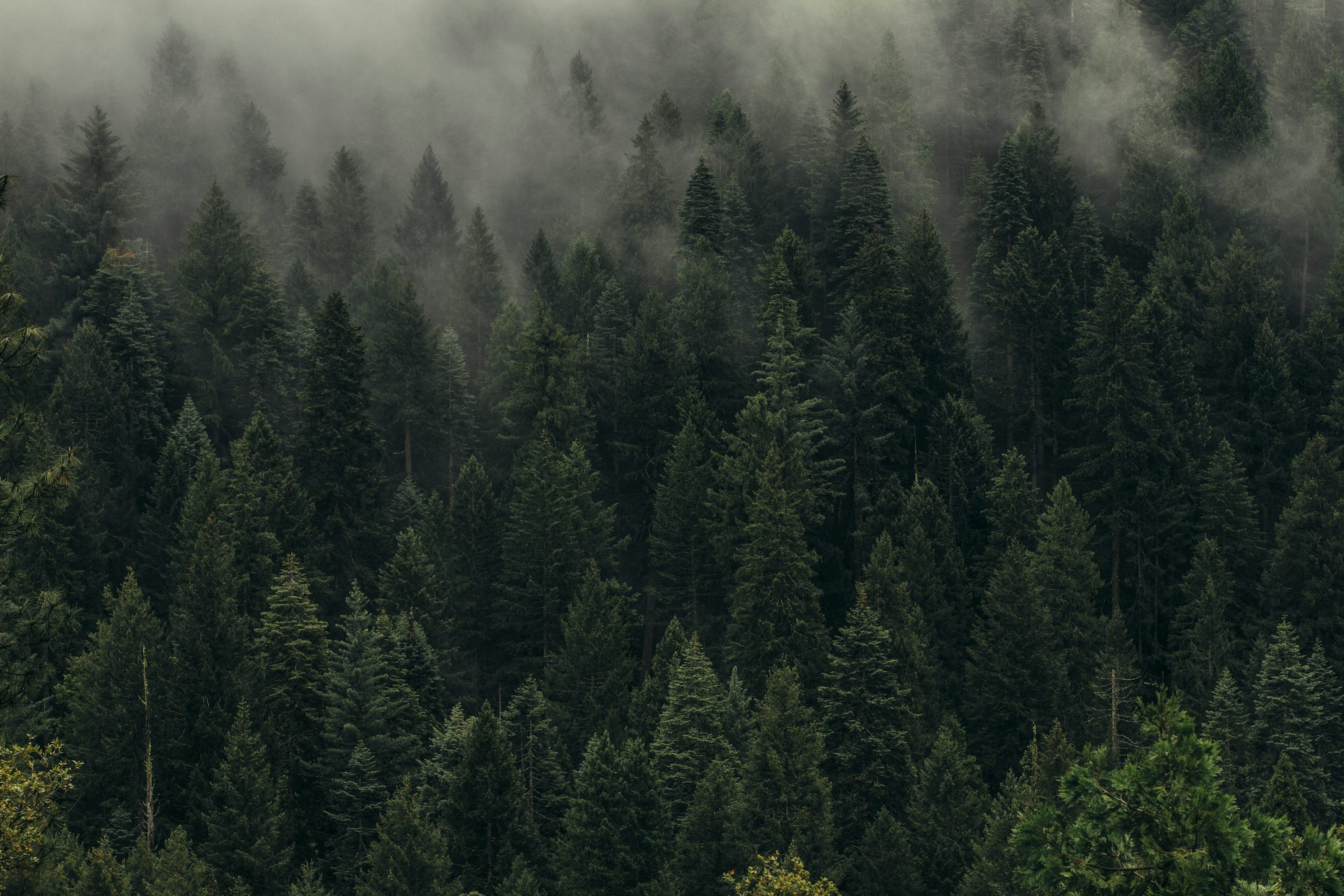
Coniferous Forest
Found in cold or temperate regions, dominated by cone-bearing trees.
- Evergreen trees like pines and firs
- Needle-shaped leaves to reduce water loss
- Found in North America, Europe, and Asia
- Moderate to high snowfall in winter
- Supports wildlife like bears, elk, and owls
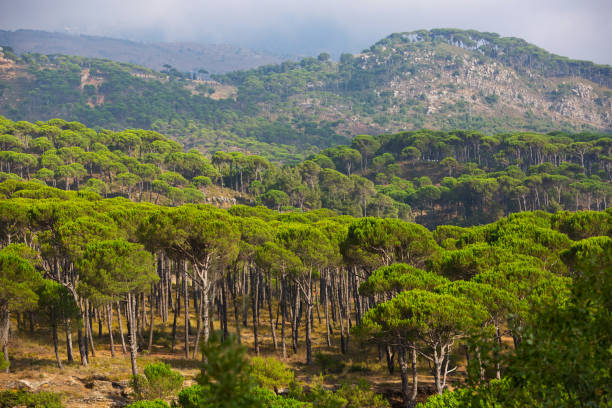
Mediterranean Forest
Found in regions with hot, dry summers and mild, wet winters, such as the Mediterranean basin, California, and Australia.
- Drought-resistant plants (shrubs, oaks, and pines)
- Fire-adapted ecosystems
- Rainfall occurs mainly in winter
- Rich in aromatic plants (lavender, rosemary)
- Wildlife includes foxes, boars, and reptiles
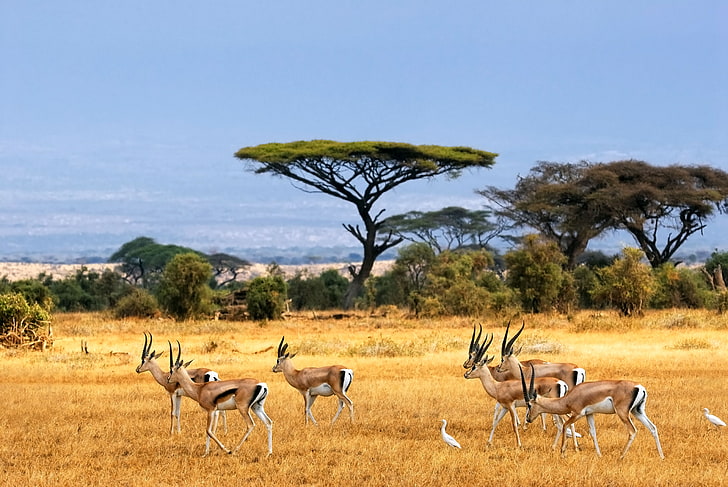
Savanna Forest
Found in Africa, South America, and Australia with scattered trees and grasslands.
- Hot climate with wet and dry seasons
- Fire-resistant trees and drought-adapted plants
- Home to large herbivores like elephants and predators like lions
- Nutrient-rich soil supports seasonal plant growth
- Human Impact: Prone to deforestation and overgrazing, leading to desertification.
- Nutrient-rich soil supports seasonal plant growth