Fold Mountains
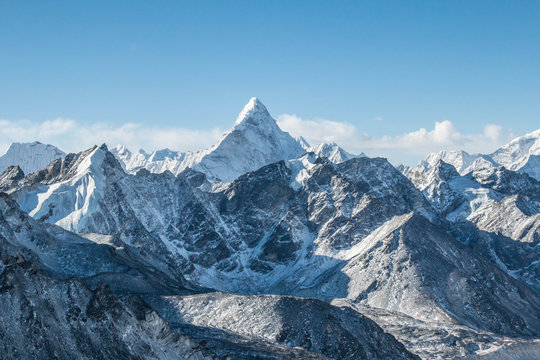
These mountains are created when tectonic plates collide, causing layers of the Earth's crust to fold.
- Most common type of mountain.
- Formed by compressional forces.
- Can grow very tall over millions of years.
- Examples: Himalayas, Alps, Andes
Fault-Block Mountains
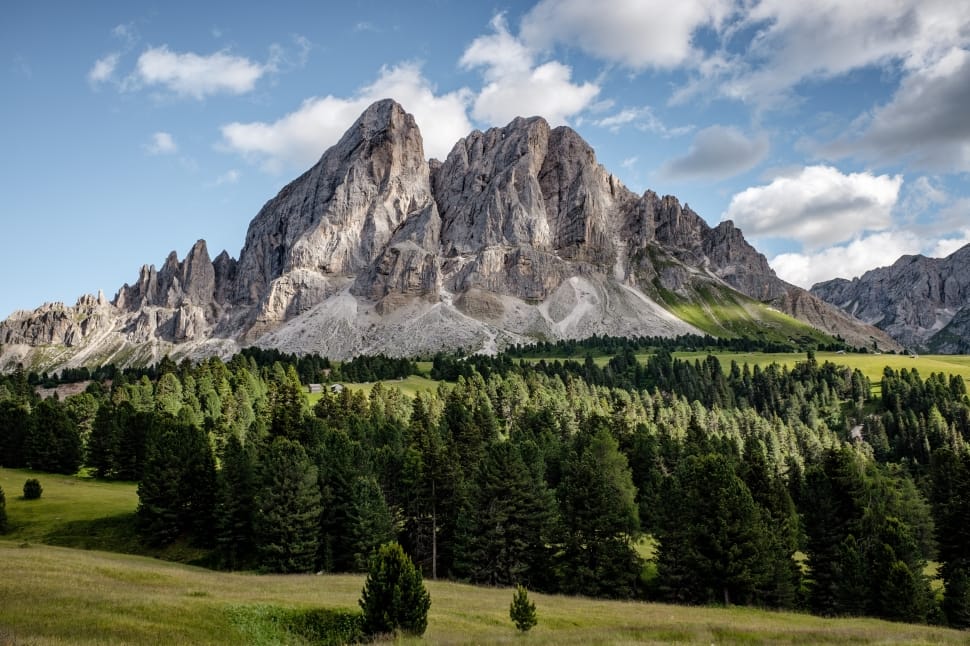
These mountains form when large blocks of Earth's crust break and move along fault lines.
- Created by tectonic tension forces.
- One side rises while the other sinks.
- Usually have steep cliffs and flat plateaus.
- Examples: Sierra Nevada, Harz Mountains
Volcanic Mountains
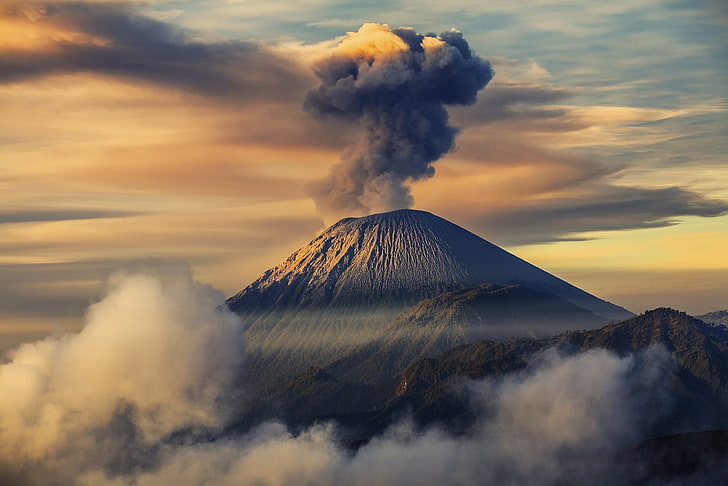
These mountains form from magma erupting from the Earth's surface and cooling into rock.
- Formed by volcanic activity.
- Can be active, dormant, or extinct.
- Often cone-shaped with craters at the top.
- Examples: Mount Fuji, Mount St. Helens, Mauna Loa
Dome Mountains
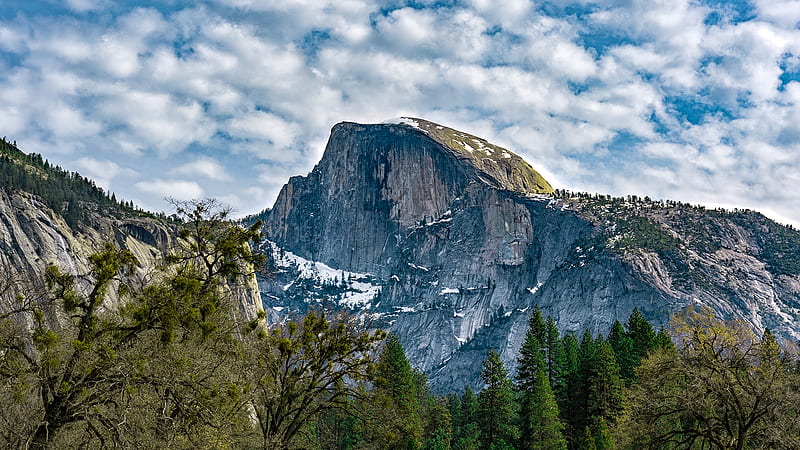
These mountains are formed when magma pushes the Earth's crust upward without breaking through.
- Shaped like a dome or rounded hill.
- Caused by underground magma pressure.
- Eventually exposed by erosion.
- Examples: Black Hills (USA), Adirondack Mountains
Plateau Mountains
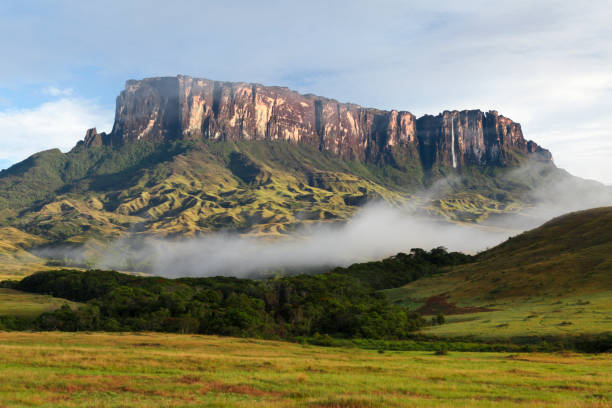
These mountains form from high, flat plateaus being eroded over time, leaving rugged peaks.
- Formed by erosion rather than tectonic forces.
- Often located near old mountain ranges.
- Flat or gently sloping tops.
- Examples: Colorado Plateau, Catskill Mountains
Residual Mountains
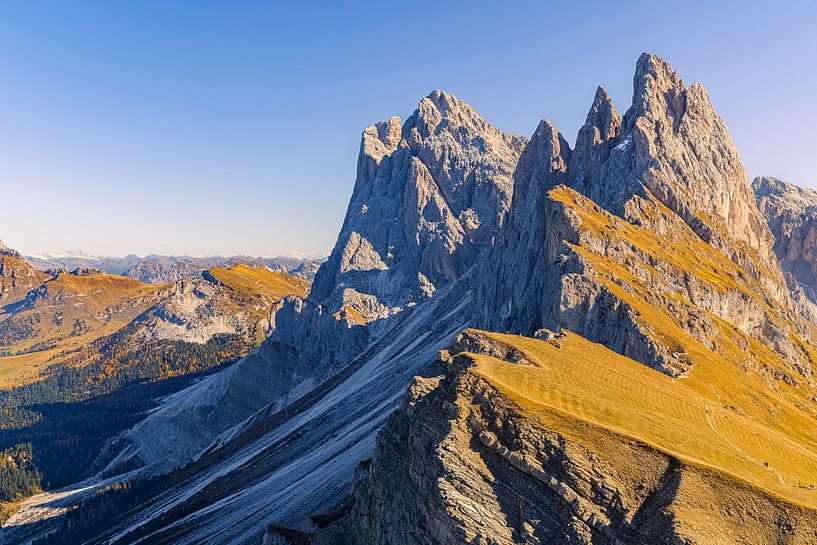
These are the remains of older mountains that have been worn down over millions of years by erosion.
- Formed by weathering and erosion.
- Harder rocks remain while softer ones erode away.
- Appear as isolated peaks or ridges.
- Examples: Sugarloaf Mountain (Brazil), Storr (Scotland)