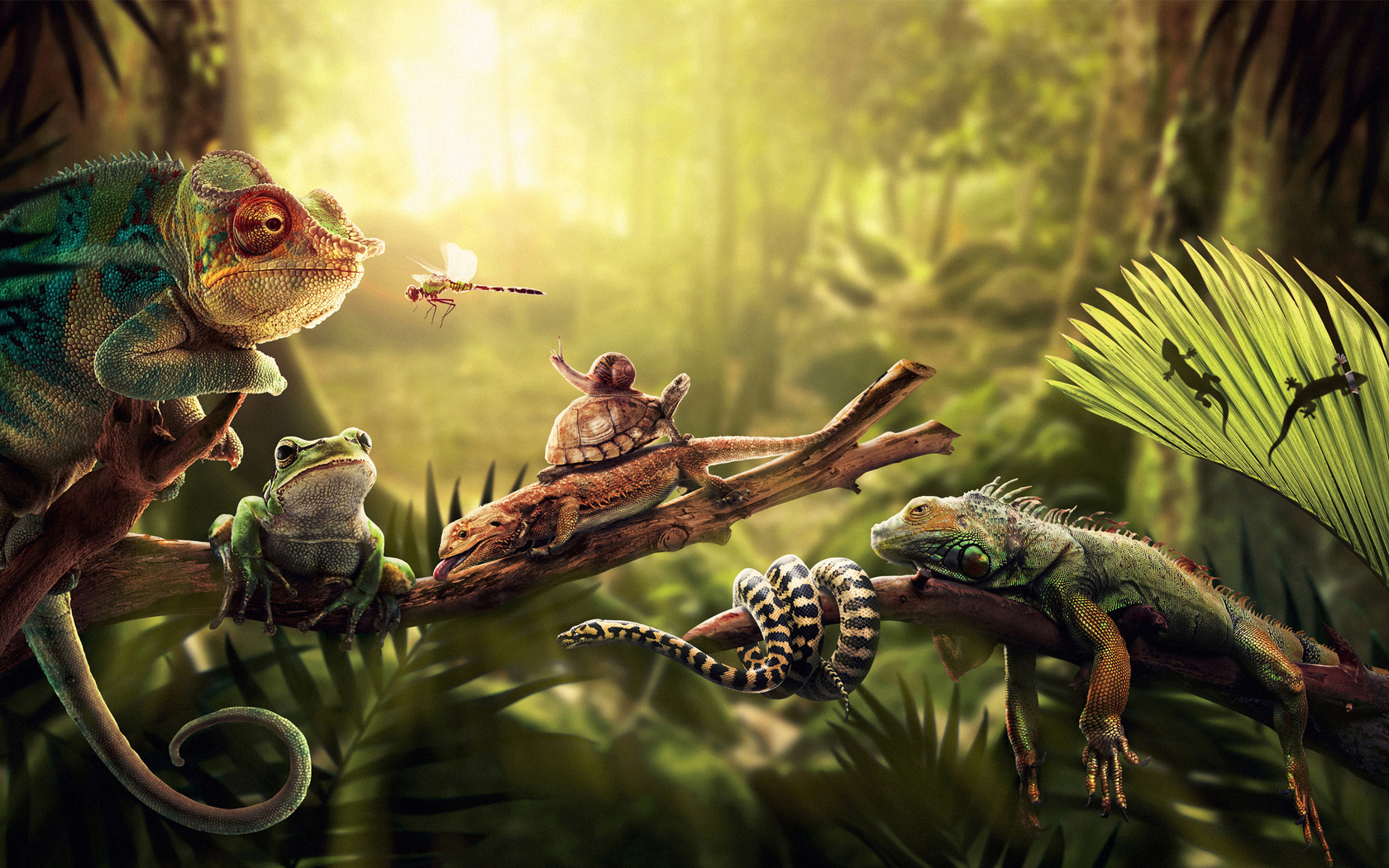
Reptiles and amphibians are fascinating groups of vertebrates that have adapted to diverse environments across the globe. From maintaining biodiversity and controlling pest populations to serving as indicators of ecosystem health, these animals play crucial roles in natural systems. Reptiles and amphibians can be categorized into different types, each with its unique characteristics, habitat preferences, and behavioral adaptations. These species are distributed across various parts of the world, and understanding their individual features is crucial for conservation and sustainable management. This overview delves into 9 major types of reptiles and amphibians, each shaped by specific environmental factors such as climate, rainfall, temperature, and geography. From tropical frogs to desert snakes, each species serves a vital function in maintaining ecological balance.
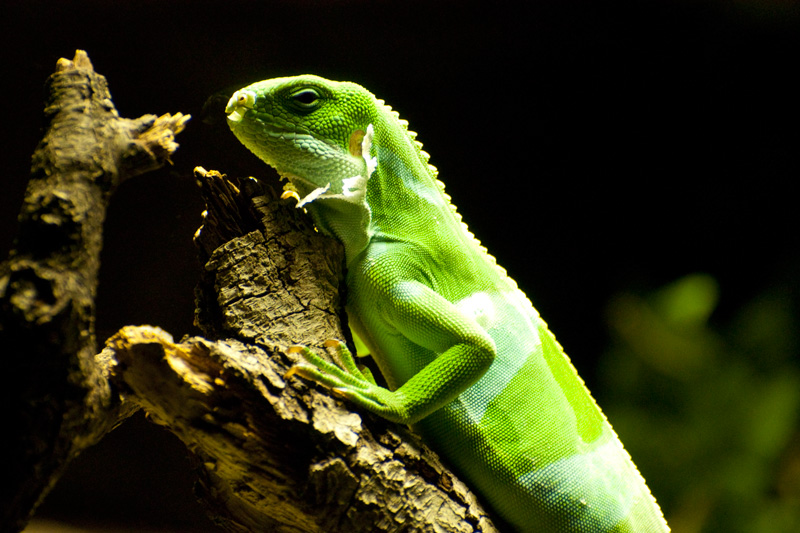
Diverse reptiles found across many habitats worldwide, from deserts to rainforests.
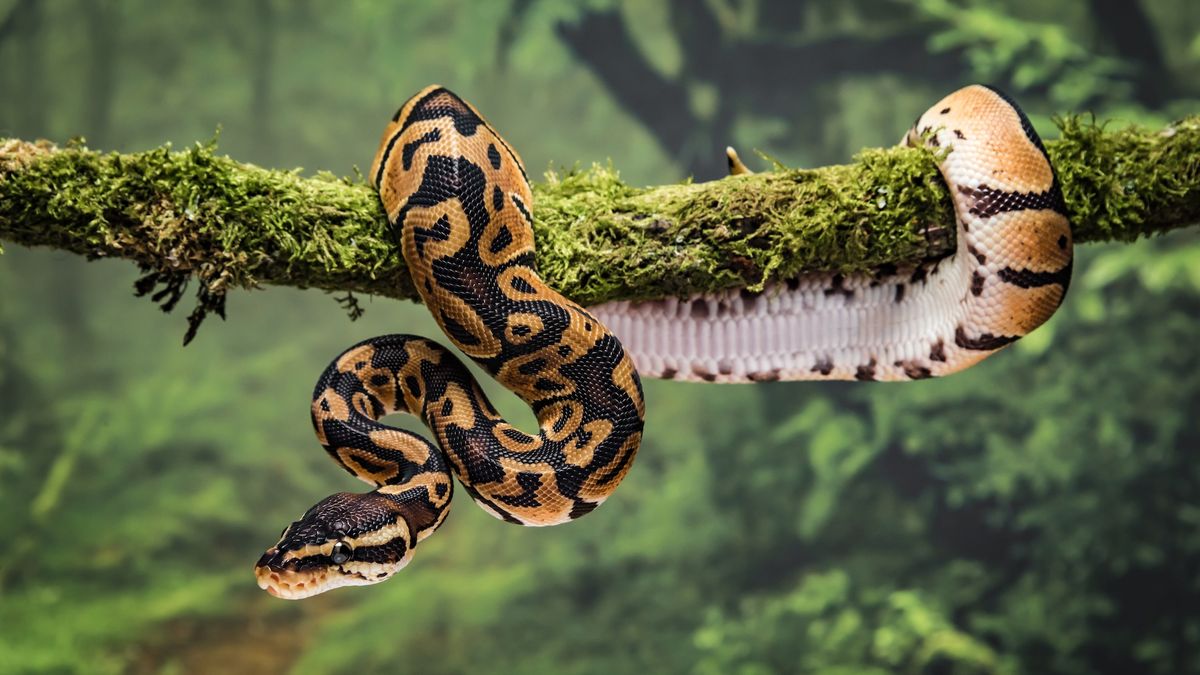
Legless reptiles that have evolved to thrive in diverse environments across continents.
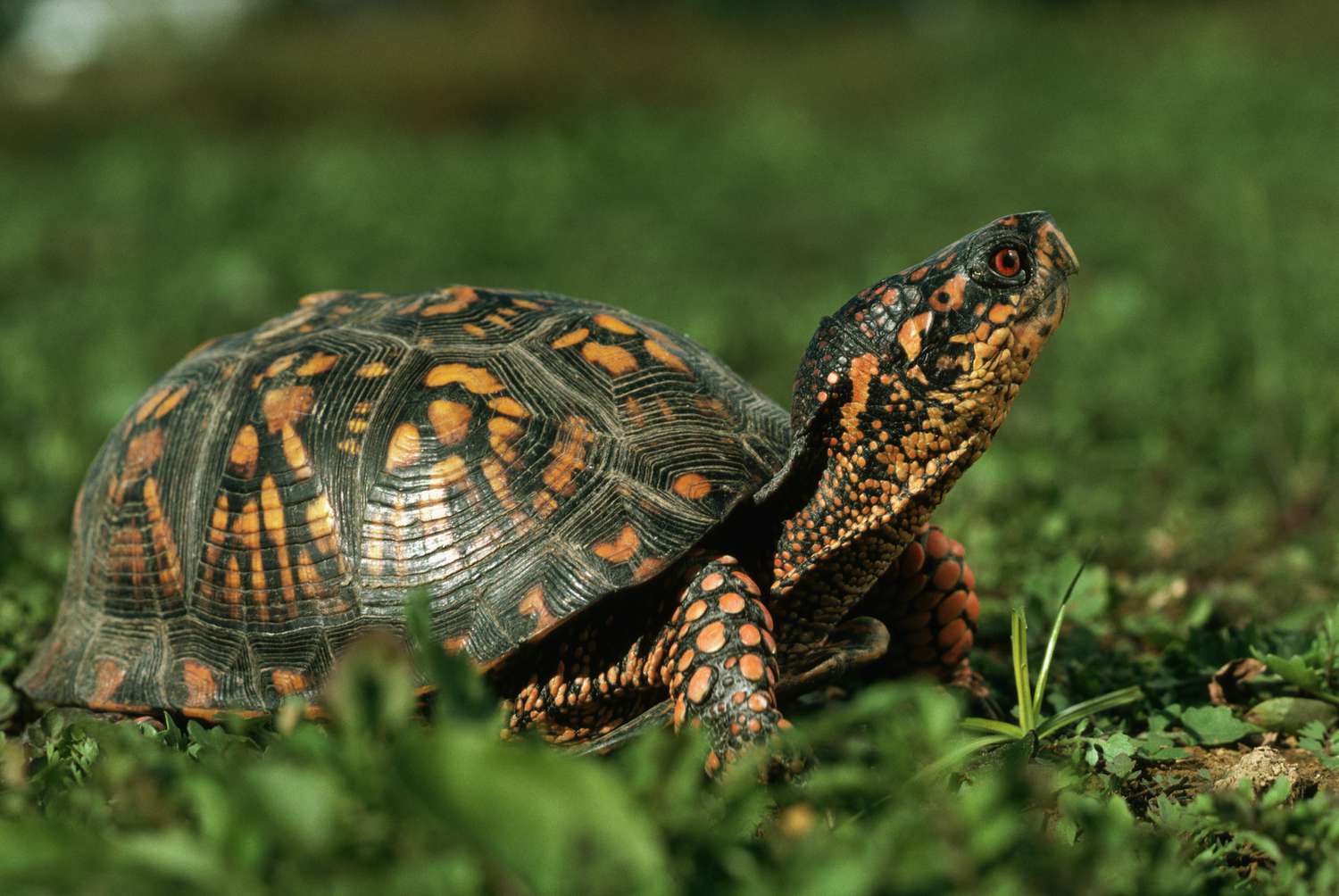
Shelled reptiles adapted for aquatic, semi-aquatic, or terrestrial environments.
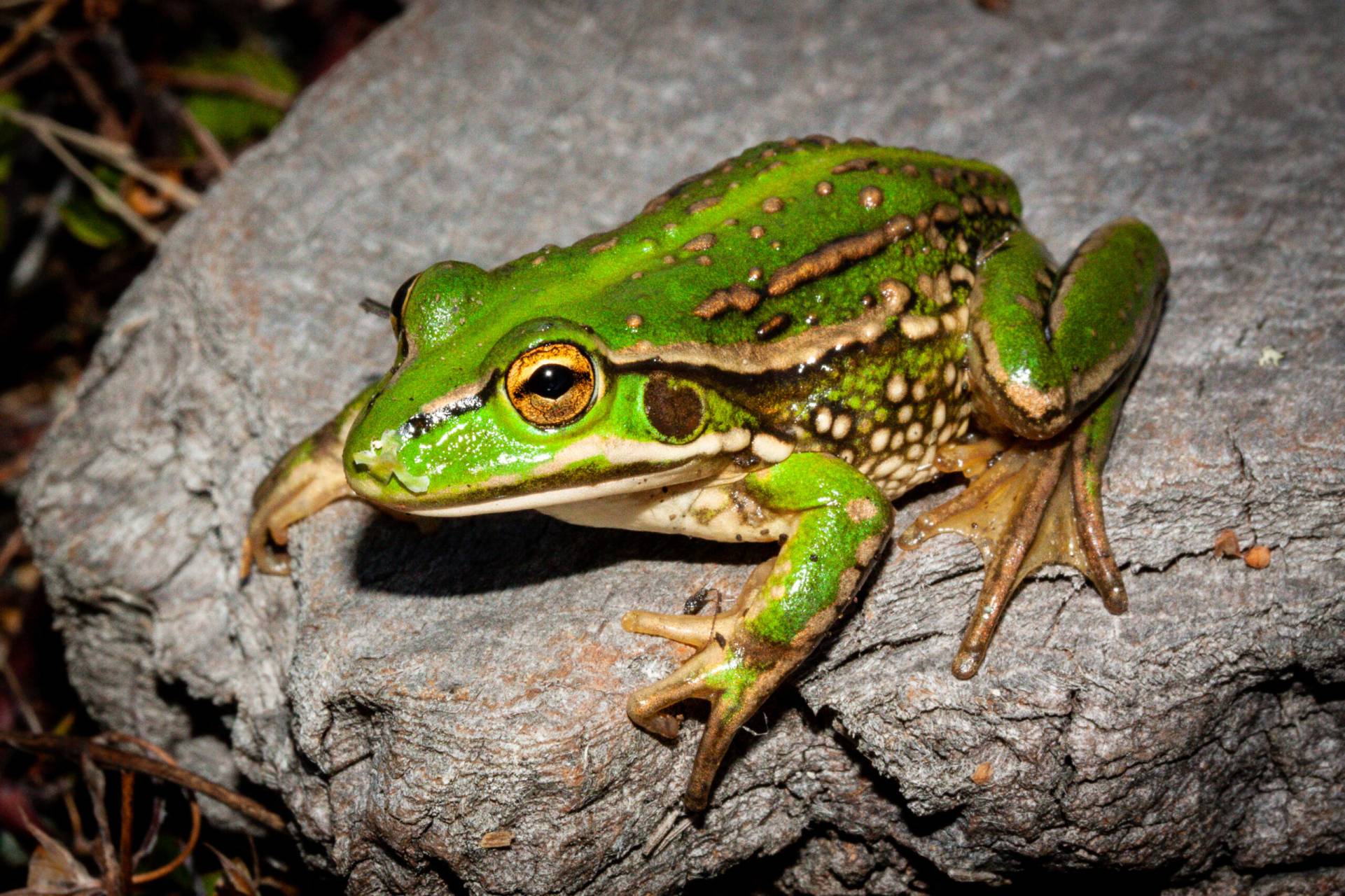
Tailless amphibians found in wet environments worldwide except Antarctica.
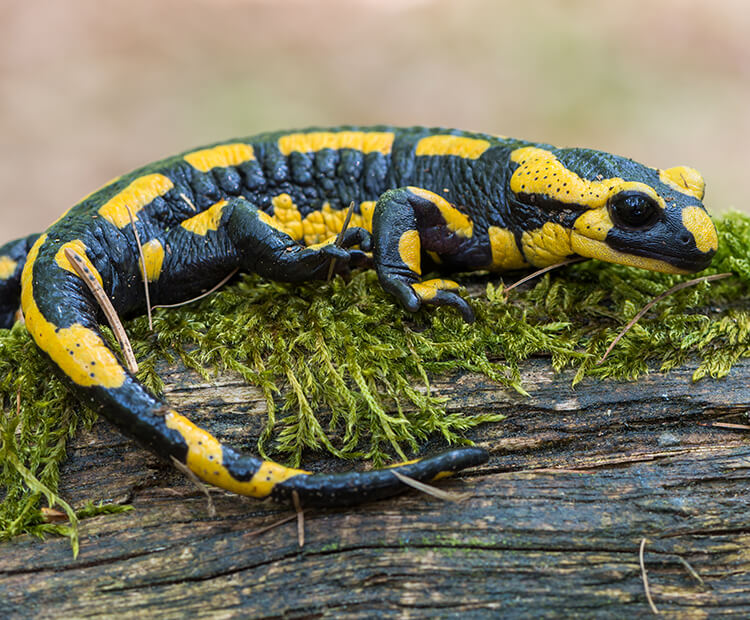
Tailed amphibians typically found in moist environments in the northern hemisphere.
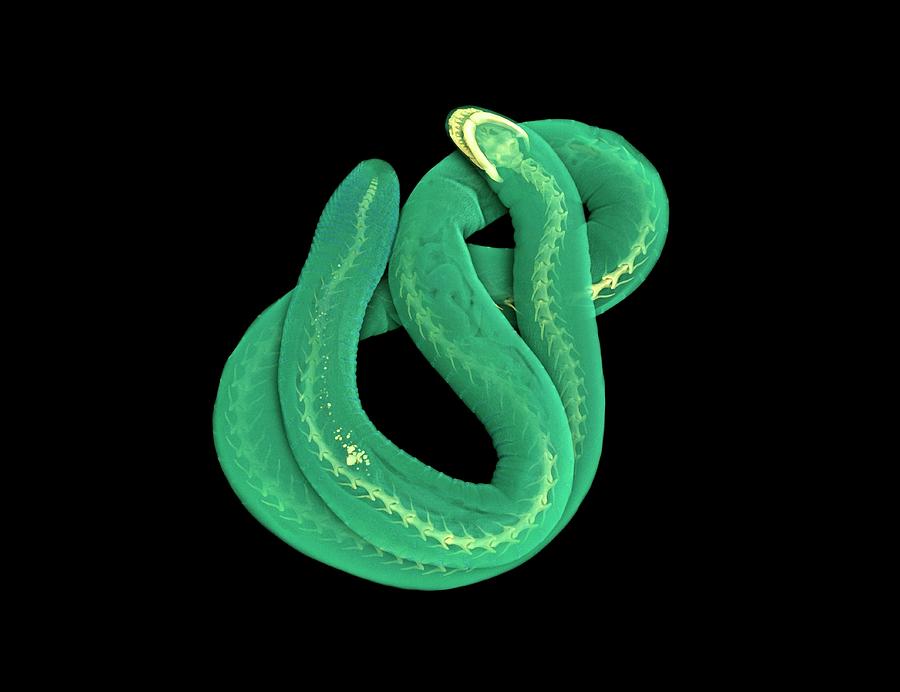
Limbless, serpentine amphibians adapted for burrowing lifestyles in tropical regions.
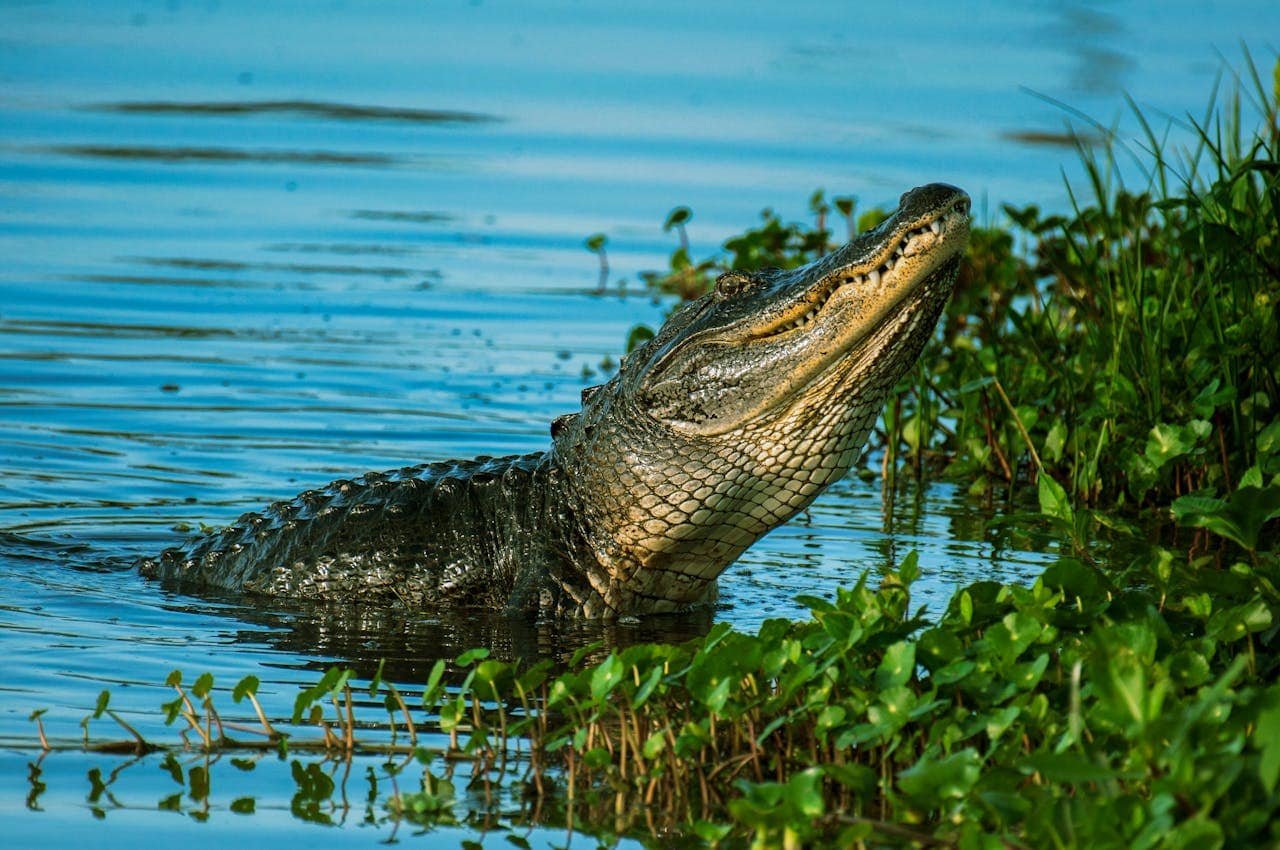
Large aquatic reptiles including crocodiles, alligators, caimans, and gharials.
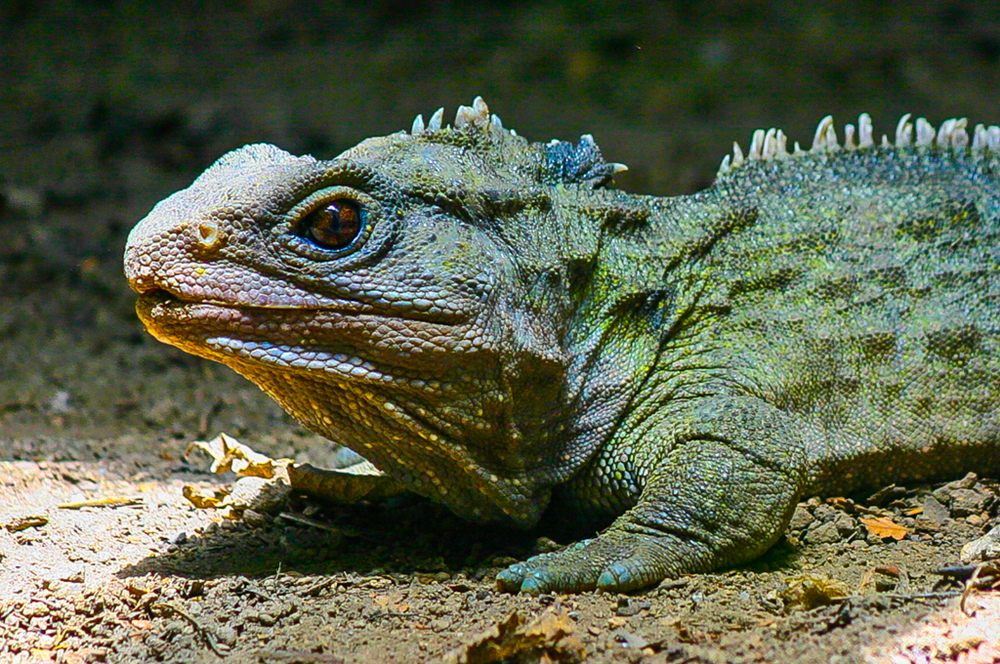
Ancient reptiles found only in New Zealand, resembling lizards but from a distinct lineage.
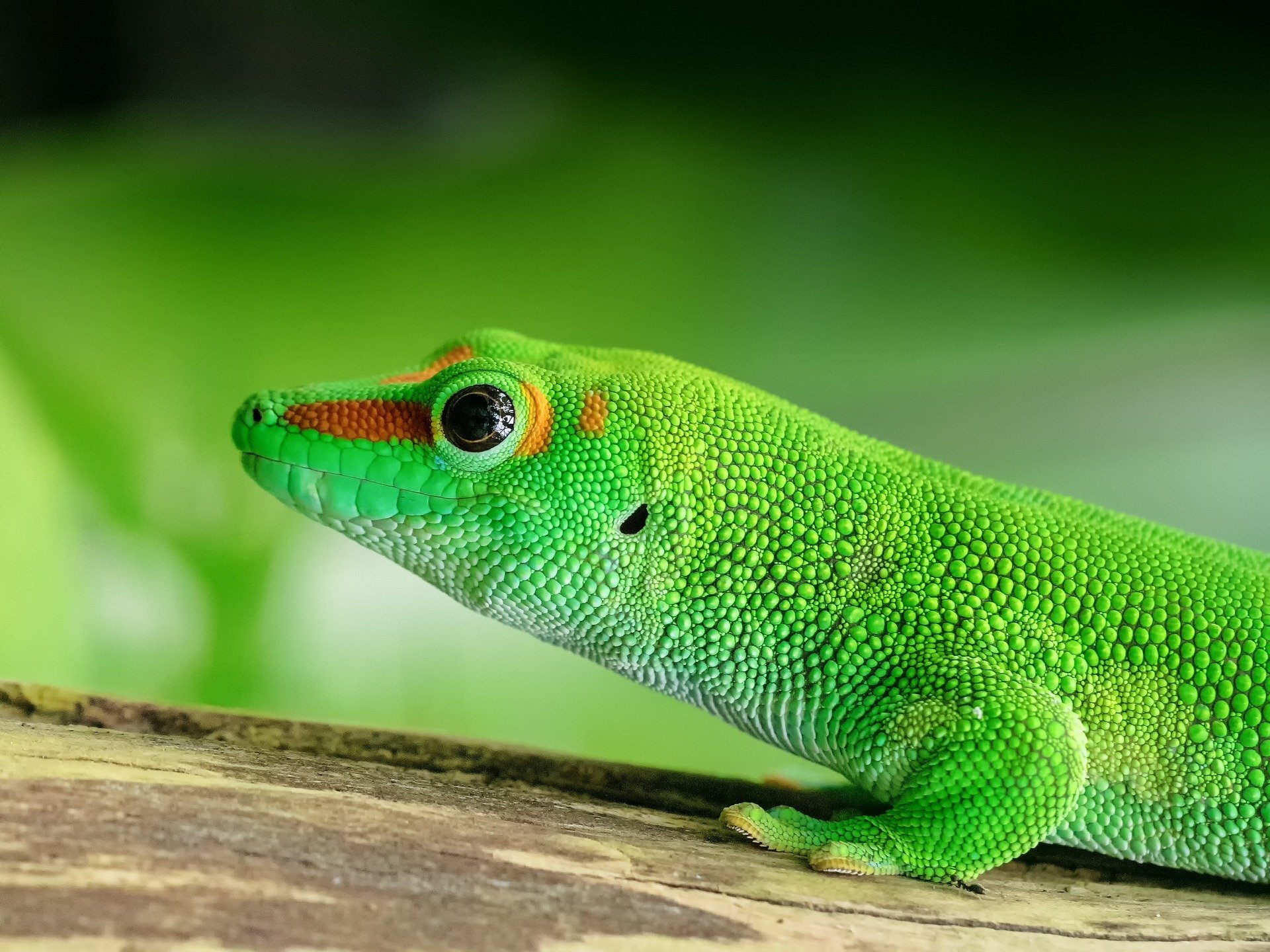
Small to medium-sized lizards found in warm climates throughout the world.
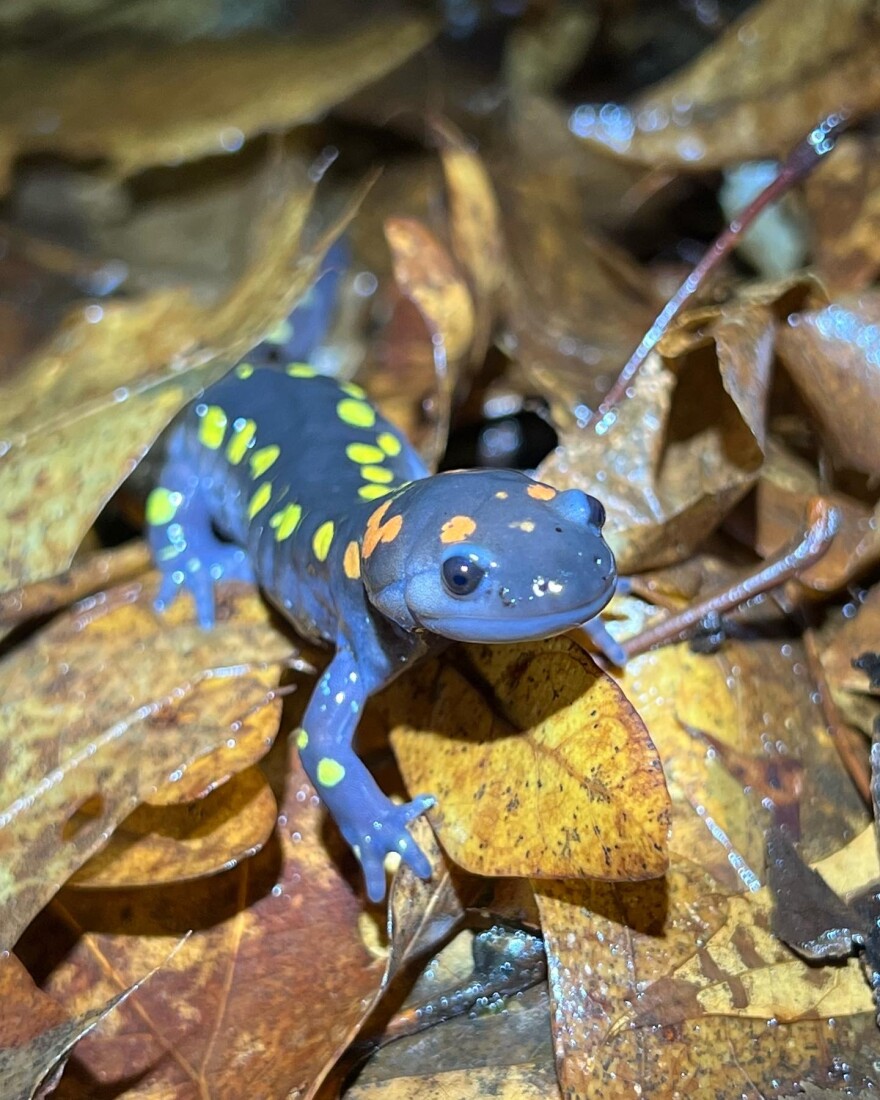
The article describes how blue-spotted salamanders in Michigan's Upper Peninsula make an annual migration to vernal pools for breeding, facing road mortality risks while crossing Peter White Drive in Presque Isle Park. In response, local officials have implemented nighttime road closures, and the Superior Watershed Partnership is now planning to construct salamander tunnels under the road using a $27,000 grant from the Michigan Department of Natural Resources....
Read Full Story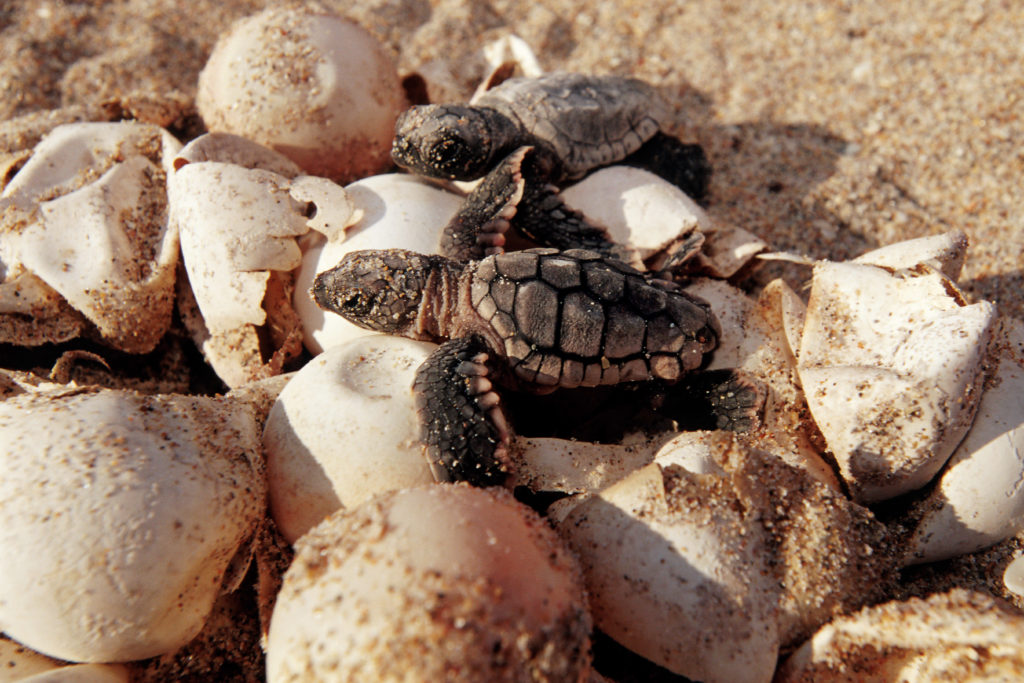
Florida recorded a historic surge in sea turtle nesting in 2023, with 133,941 loggerhead and 76,645 green turtle nests, breaking previous records. The Florida Keys serve as critical nesting sites, with species like the leatherback and hawksbill also present. Female turtles nest every few years, laying multiple nests, but only 1 in 1,000 hatchlings survive. Conservation efforts, including satellite tracking and the Tour de Turtles Race, monitor their movements post-rehabilitation. Despite threats like pollution, boat strikes, and habitat loss, protective measures such as Turtle Excluder Devices (TEDs) and light pollution regulations have significantly contributed to their recovery. Collaborative efforts between governments, conservationists, and local communities continue to play a vital role in protecting these endangered species....
Read Full Story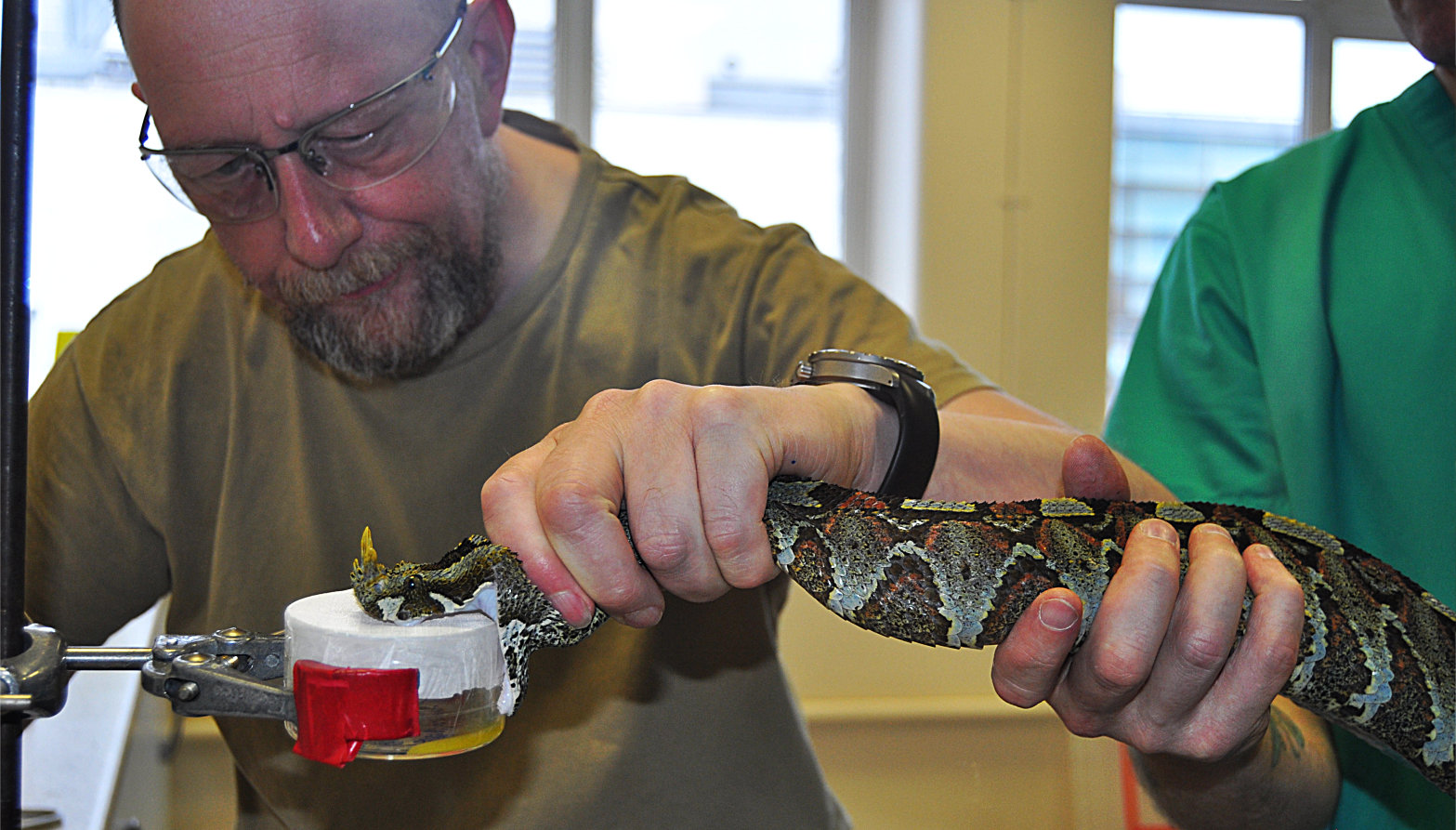
Scientists at the International Toxinology Institute have isolated a compound in king cobra venom that shows promise for treating neurological disorders. The peptide, which targets specific neural receptors...
Read Full Story
A collaborative team, including ASG members, has launched an urgent rescue mission to save Chile’s endangered Darwin’s frogs from the deadly chytrid fungus, which wiped out over 1,300 frogs in Tantauco Park in just one year. The project involves establishing an international network of captive breeding centers, including the Zoological Society of London’s London Zoo, to safeguard the species and study the disease. With support from government agencies, conservation groups, and researchers, the initiative aims to preserve genetic diversity and eventually reintroduce the frogs to their native forests. The rescue effort, involving a complex global operation, highlights the power of international collaboration in species conservation....
Read Full Story